
Granit, olağanüstü mukavemeti, yoğunluğu, dayanıklılığı ve korozyona karşı direnci nedeniyle çıkarılan bir tür magmatik kayadır. Ancak granit aynı zamanda çok yönlüdür; sadece kare ve dikdörtgenler için değildir! Aslında, düzenli olarak her türlü şekil, açı ve eğride tasarlanmış granit bileşenlerle mükemmel sonuçlarla güvenle çalışıyoruz.
Son teknoloji işleme yöntemlerimiz sayesinde, kesilmiş yüzeyler olağanüstü derecede düz olabilir. Bu özellikler, graniti özel boyutlu ve özel tasarımlı makine tabanları ve metroloji bileşenleri oluşturmak için ideal malzeme haline getirir. Granitin özellikleri şunlardır:
■ işlenebilir
■ Kesildiğinde ve işlendiğinde tam olarak düz
■ paslanmaya dayanıklı
■ dayanıklı
■ uzun ömürlü
Granit malzemelerin temizlenmesi de kolaydır. Özel tasarımlar oluştururken, üstün avantajları nedeniyle graniti tercih ettiğinizden emin olun.
STANDARTLAR / YÜKSEK AŞINMAYA DAYANIKLI UYGULAMALAR
ZHHIMG'nin standart yüzey plakası ürünlerinde kullandığı granit, yüksek kuvars içeriğine sahiptir; bu da aşınmaya ve hasara karşı daha fazla direnç sağlar. Üstün Siyah renklerimiz düşük su emme oranına sahip olup, hassas ölçüm cihazlarınızın plakalar üzerinde dururken paslanma olasılığını en aza indirir. ZHHIMG tarafından sunulan granit renkleri daha az parlamaya neden olur, bu da plakaları kullanan kişiler için daha az göz yorgunluğu anlamına gelir. Bu özelliği en aza indirmek amacıyla, granit türlerimizi seçerken termal genleşmeyi de dikkate aldık.
ÖZEL UYGULAMALAR
Uygulamanız özel şekillere, dişli ek parçalara, yuvalara veya diğer işlenmiş yüzeylere sahip bir levha gerektiriyorsa, Jinan Siyahı gibi bir malzeme seçmek isteyeceksiniz. Bu doğal malzeme üstün sertlik, mükemmel titreşim sönümlemesi ve geliştirilmiş işlenebilirlik sunar.
Şunu belirtmek önemlidir ki, renk tek başına taşın fiziksel özelliklerinin bir göstergesi değildir. Genel olarak, granitin rengi doğrudan minerallerin varlığı veya yokluğuyla ilgilidir ve bu durum, iyi bir yüzey plakası malzemesi olmasını sağlayan özelliklerle hiçbir ilgisi olmayabilir. Yüzey plakaları için mükemmel olan pembe, gri ve siyah granitler olduğu gibi, hassas uygulamalar için tamamen uygun olmayan siyah, gri ve pembe granitler de vardır. Granitin yüzey plakası malzemesi olarak kullanımına ilişkin kritik özellikleri renkle ilgili değildir ve şunlardır:
■ Rijitlik (yük altında sapma - Elastikiyet Modülü ile gösterilir)
■ Sertlik
■ Yoğunluk
■ Aşınma direnci
■ İstikrar
■ Gözeneklilik
Birçok granit malzemeyi test ettik ve bu malzemeleri karşılaştırdık. Sonunda şu sonuca vardık: Jinan siyah graniti, şimdiye kadar bildiğimiz en iyi malzeme. Hint siyah graniti ve Güney Afrika graniti Jinan siyah granitine benzer, ancak fiziksel özellikleri Jinan siyah granitinden daha düşüktür. ZHHIMG, dünyadaki daha fazla granit malzemeyi aramaya ve fiziksel özelliklerini karşılaştırmaya devam edecektir.
Projeniz için doğru granit türü hakkında daha fazla bilgi edinmek için lütfen bizimle iletişime geçin.info@zhhimg.com.
Farklı üreticiler farklı standartlar kullanır. Dünyada birçok standart vardır.
DIN Standardı, ASME B89.3.7-2013 veya Federal Şartname GGG-P-463c (Granit Yüzey Plakaları) ve benzerlerini şartnamelerinin temeli olarak kullanırlar.
Ayrıca, gereksinimlerinize uygun granit hassas kontrol levhaları da üretebiliriz. Daha fazla standart hakkında bilgi edinmek isterseniz bizimle iletişime geçebilirsiniz.
Yüzey düzlüğü, yüzeydeki tüm noktaların iki paralel düzlem, taban düzlemi ve çatı düzlemi içinde yer alması olarak düşünülebilir. Düzlemler arasındaki mesafenin ölçümü, yüzeyin genel düzlüğünü verir. Bu düzlük ölçümü genellikle bir tolerans içerir ve bir sınıflandırma derecesi de içerebilir.
Örneğin, üç standart kalite için düzlük toleransları, federal şartnamede aşağıdaki formülle belirlendiği şekilde tanımlanmıştır:
■ Laboratuvar Notu AA = (40 + köşegenin karesi/25) x 0,000001" (tek taraflı)
■ Muayene Notu A = Laboratuvar Notu AA x 2
■ Takımhane Kalite Sınıfı B = Laboratuvar Kalite Sınıfı AA x 4.
Standart boyutlu yüzey plakaları için, bu şartnamenin gereksinimlerini aşan düzlük toleranslarını garanti ediyoruz. Düzlüğe ek olarak, ASME B89.3.7-2013 ve Federal Şartname GGG-P-463c, tekrarlanan ölçüm doğruluğu, yüzey plakası granitlerinin malzeme özellikleri, yüzey kalitesi, destek noktası konumu, rijitlik, kabul edilebilir muayene yöntemleri, dişli insertlerin montajı vb. konuları ele almaktadır.
ZHHIMG granit yüzey plakaları ve granit muayene plakaları, bu şartnamede belirtilen tüm gereksinimleri karşılar veya aşar. Şu anda granit köşe plakaları, paraleller veya ana gönyeler için tanımlayıcı bir şartname bulunmamaktadır.
Diğer standartlara ait formülleri ise şurada bulabilirsiniz:İNDİRMEK.
Öncelikle, plakayı temiz tutmak önemlidir. Havada uçuşan aşındırıcı toz, genellikle plakanın aşınmasının ve yıpranmasının en büyük kaynağıdır, çünkü iş parçalarına ve ölçüm aletlerinin temas yüzeylerine yerleşme eğilimindedir. İkinci olarak, plakanızı tozdan ve hasardan korumak için örtün. Plaka kullanılmadığı zamanlarda örtülerek, tek bir alanın aşırı kullanılmaması için plaka periyodik olarak döndürülerek ve ölçüm aletlerindeki çelik temas pedleri karbür pedlerle değiştirilerek aşınma ömrü uzatılabilir. Ayrıca, plakanın üzerine yiyecek veya meşrubat koymaktan kaçının. Birçok meşrubatın, daha yumuşak mineralleri çözebilen ve yüzeyde küçük çukurlar bırakabilen karbonik veya fosforik asit içerdiğini unutmayın.
Bu, tabağın nasıl kullanıldığına bağlıdır. Mümkünse, tabağı günün (veya çalışma vardiyasının) başında ve sonunda temizlemenizi öneririz. Tabak kirlenirse, özellikle yağlı veya yapışkan sıvılarla kirlenirse, muhtemelen hemen temizlenmelidir.
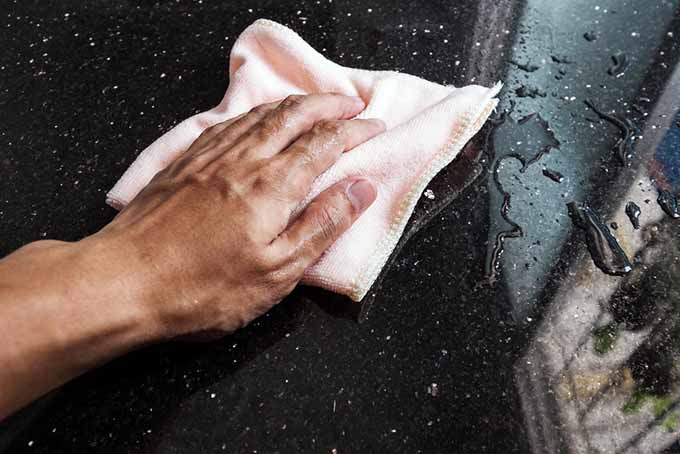
Plakayı düzenli olarak sıvı veya ZHHIMG susuz yüzey plaka temizleyici ile temizleyin. Temizleme solüsyonlarının seçimi önemlidir. Uçucu bir çözücü (aseton, tiner, alkol vb.) kullanılırsa, buharlaşma yüzeyi soğutacak ve deforme edecektir. Bu durumda, ölçüm hatalarının oluşmasını önlemek için plakanın kullanılmadan önce normale dönmesine izin vermek gerekir.
Tabağın normale dönmesi için gereken süre, tabağın boyutuna ve soğutma miktarına bağlı olarak değişir. Daha küçük tabaklar için bir saat yeterli olmalıdır. Daha büyük tabaklar için iki saat gerekebilir. Su bazlı bir temizleyici kullanılıyorsa, bir miktar buharlaşma yoluyla soğutma da olacaktır.
Yüzeyde su birikecek ve bu da yüzeyle temas eden metal parçaların paslanmasına neden olabilir. Bazı temizleyiciler kuruduktan sonra yapışkan bir kalıntı bırakır; bu kalıntı havada uçuşan tozu çeker ve aşınmayı azaltmak yerine artırır.
Bu, plakanın kullanım şekline ve ortamına bağlıdır. Yeni bir plaka veya hassas granit aksesuarın satın alındıktan sonra bir yıl içinde tam bir yeniden kalibrasyondan geçirilmesini öneririz. Granit yüzey plakası yoğun kullanıma maruz kalacaksa, bu aralığı altı aya indirmek tavsiye edilebilir. Elektronik seviye veya benzeri bir cihaz kullanılarak tekrarlanan ölçüm hataları için aylık kontrol, oluşmakta olan aşınma noktalarını gösterecektir ve bu işlem yalnızca birkaç dakika sürer. İlk yeniden kalibrasyonun sonuçları belirlendikten sonra, kalibrasyon aralığı, şirket içi kalite sisteminizin izin verdiği veya gerektirdiği şekilde uzatılabilir veya kısaltılabilir.
Granit yüzey plakanızın incelenmesi ve kalibrasyonu konusunda size yardımcı olacak hizmetler sunabiliriz.

Kalibrasyonlar arasındaki farklılıkların birkaç olası nedeni vardır:
- Kalibrasyondan önce yüzey sıcak veya soğuk bir çözeltiyle yıkandı ve normalleşmesi için yeterli süre tanınmadı.
- Plaka düzgün şekilde desteklenmiyor.
- Sıcaklık değişimi
- Taslaklar
- Plakanın yüzeyine doğrudan güneş ışığı veya diğer radyant ısı gelmemesine dikkat edin. Tavan aydınlatmasının yüzeyi ısıtmadığından emin olun.
- Kış ve yaz arasındaki dikey sıcaklık gradyanındaki değişimler (Mümkünse, kalibrasyonun yapıldığı zamanki dikey gradyan sıcaklığını bilin.)
- Sevkiyat sonrasında plakanın normalleşmesi için yeterli süre tanınmadı.
- Muayene ekipmanının yanlış kullanımı veya kalibre edilmemiş ekipmanın kullanılması
- Aşınma sonucu oluşan yüzey değişimi
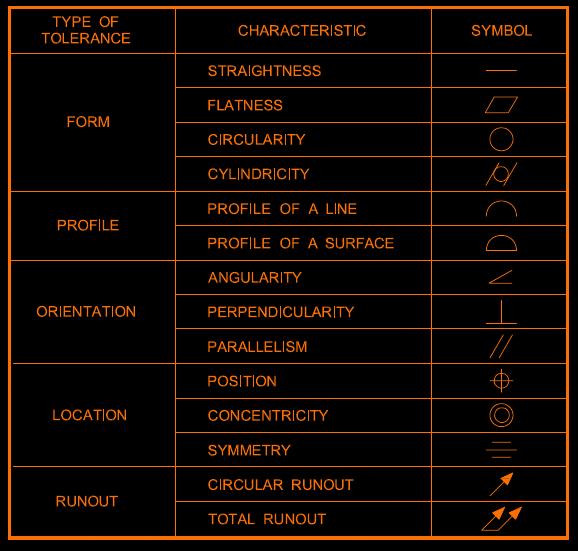
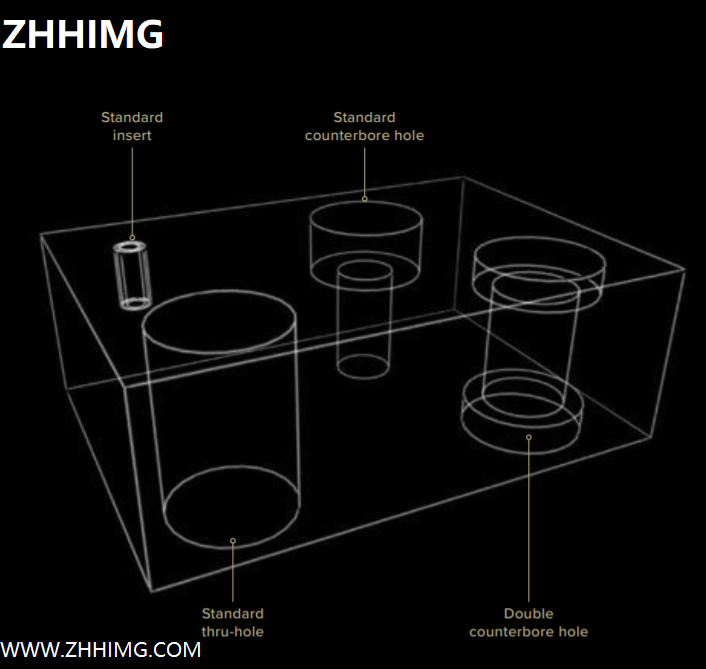
Hassas granitte kaç çeşit delik bulunur?
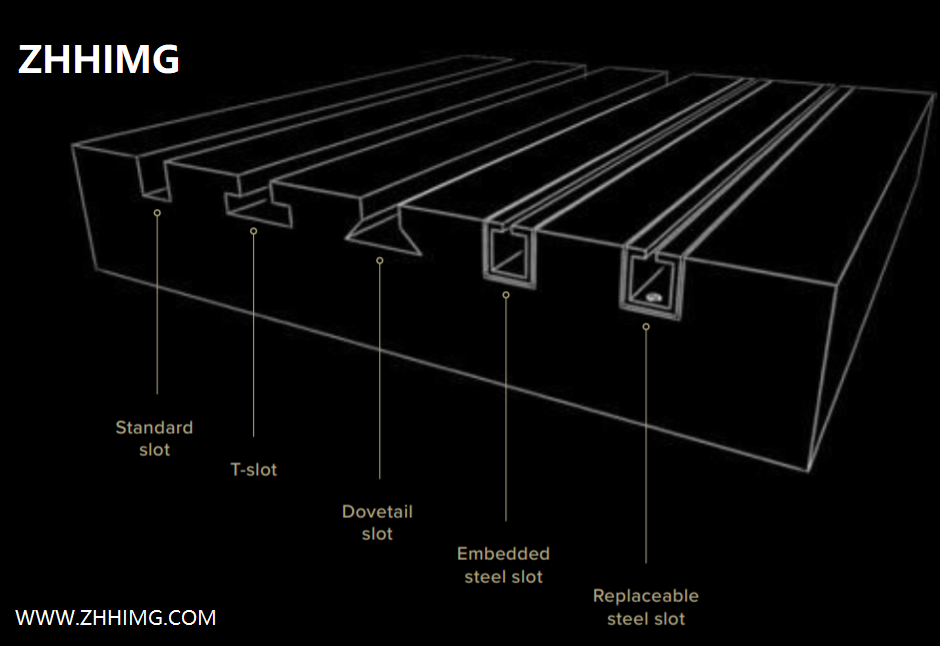
Hassas Granit Bileşenlerindeki Yuvalar
Birçok fabrika, muayene odası ve laboratuvar için hassas granit yüzey plakaları, doğru ölçümlerin temelini oluşturmaktadır. Her doğrusal ölçüm, nihai boyutların alındığı doğru bir referans yüzeyine bağlı olduğundan, yüzey plakaları, işleme öncesinde iş denetimi ve yerleşimi için en iyi referans düzlemini sağlar. Ayrıca yükseklik ölçümleri ve yüzeylerin ölçülmesi için ideal tabanlardır. Dahası, yüksek düzlük, stabilite, genel kalite ve işçilik, onları gelişmiş mekanik, elektronik ve optik ölçüm sistemlerinin montajı için iyi bir seçim haline getirir. Bu ölçüm işlemlerinin herhangi biri için, yüzey plakalarının kalibre edilmesi zorunludur.
Ölçümlerin Tekrarlanması ve Düzlük
Yüzeyin hassasiyetini sağlamak için hem düzlük hem de tekrarlanan ölçümler kritik öneme sahiptir. Düzlük, yüzeydeki tüm noktaların iki paralel düzlem, taban düzlemi ve çatı düzlemi içinde yer alması olarak düşünülebilir. Düzlemler arasındaki mesafenin ölçümü, yüzeyin genel düzlüğünü gösterir. Bu düzlük ölçümü genellikle bir tolerans içerir ve bir sınıflandırma derecesi de içerebilir.
Üç standart kalite için düzlük toleransları, federal şartnamede aşağıdaki formülle belirlendiği şekilde tanımlanmıştır:
DIN Standardı, GB Standardı, ASME Standardı, JJS Standardı... farklı ülkeler farklı standartlara sahip...
Standart hakkında daha fazla detay.
Düzlüğe ek olarak, tekrarlanabilirlik de sağlanmalıdır. Tekrarlı ölçüm, yerel düzlük alanlarının ölçümüdür. Bu, bir plakanın yüzeyinde belirtilen tolerans dahilinde tekrarlanacak herhangi bir yerden alınan bir ölçümdür. Yerel alan düzlüğünü genel düzlükten daha sıkı bir toleransla kontrol etmek, yüzey düzlük profilinde kademeli bir değişimi garanti eder ve böylece yerel hataları en aza indirir.
Granit yüzey plakalarının hem düzlük hem de tekrarlanan ölçüm özelliklerini karşılamasını sağlamak için, üreticiler spesifikasyonları için temel olarak Federal Spesifikasyon GGG-P-463c'yi kullanmalıdır. Bu standart, tekrarlanan ölçüm doğruluğunu, granit yüzey plakasının malzeme özelliklerini, yüzey kalitesini, destek noktası konumunu, rijitliği, kabul edilebilir muayene yöntemlerini ve dişli ek parçalarının montajını ele almaktadır.
Plaka Doğruluğunu Kontrol Etme
Birkaç basit kurala uyarak, granit yüzey plakasına yapılan yatırım uzun yıllar dayanmalıdır. Plakanın kullanımına, atölye ortamına ve gerekli doğruluğa bağlı olarak, yüzey plakasının doğruluğunun kontrol sıklığı değişir. Genel bir kural olarak, yeni bir plakanın satın alındıktan sonra bir yıl içinde tam bir yeniden kalibrasyondan geçmesi önerilir. Plaka sık kullanılıyorsa, bu aralığı altı aya indirmek tavsiye edilir.
Yüzey plakası genel düzlük spesifikasyonunun ötesinde aşınmadan önce, aşınmış veya dalgalı çıkıntılar gösterecektir. Tekrarlı okuma ölçüm cihazı kullanılarak yapılan aylık tekrarlı ölçüm hataları denetimi, aşınma noktalarını belirleyecektir. Tekrarlı okuma ölçüm cihazı, yerel hatayı algılayan ve yüksek büyütmeli elektronik amplifikatörde görüntülenebilen yüksek hassasiyetli bir alettir.
Etkin bir denetim programı, Ulusal Standartlar ve Teknoloji Enstitüsü'ne (NIST) izlenebilir genel düzlüğün gerçek kalibrasyonunu sağlayan bir otokollimatör ile düzenli kontrolleri içermelidir. Üretici veya bağımsız bir şirket tarafından zaman zaman kapsamlı kalibrasyon yapılması gereklidir.
Kalibrasyonlar Arasındaki Varyasyonlar
Bazı durumlarda, yüzey plakası kalibrasyonları arasında farklılıklar olabilir. Bazen aşınmadan kaynaklanan yüzey değişiklikleri, muayene ekipmanının yanlış kullanımı veya kalibre edilmemiş ekipmanın kullanımı gibi faktörler bu farklılıkları açıklayabilir. Bununla birlikte, en yaygın iki faktör sıcaklık ve destektir.
En önemli değişkenlerden biri sıcaklıktır. Örneğin, yüzey kalibrasyondan önce sıcak veya soğuk bir çözeltiyle yıkanmış ve normalleşmesi için yeterli süre tanınmamış olabilir. Sıcaklık değişiminin diğer nedenleri arasında soğuk veya sıcak hava akımları, doğrudan güneş ışığı, yukarıdan aydınlatma veya plakanın yüzeyine etki eden diğer radyant ısı kaynakları yer alır.
Kış ve yaz ayları arasında dikey sıcaklık gradyanında da farklılıklar olabilir. Bazı durumlarda, plakanın sevkiyat sonrasında normalleşmesi için yeterli süre tanınmaz. Kalibrasyon yapılırken dikey gradyan sıcaklığının kaydedilmesi iyi bir fikirdir.
Kalibrasyon varyasyonunun bir diğer yaygın nedeni, plakanın yanlış desteklenmesidir. Bir yüzey plakası, ideal olarak plakanın uçlarından içeriye doğru uzunluğunun %20'si kadar mesafede bulunan üç noktadan desteklenmelidir. İki destek, uzun kenarlardan içeriye doğru genişliğin %20'si kadar mesafede, kalan destek ise ortada bulunmalıdır.
Hassas yüzeyler dışında, yalnızca üç nokta sağlam bir şekilde herhangi bir şeye dayanabilir. Plakayı üçten fazla noktadan desteklemeye çalışmak, plakanın çeşitli üç nokta kombinasyonundan destek almasına neden olur ve bu üç nokta, üretim sırasında desteklendiği üç noktayla aynı olmayacaktır. Bu durum, plakanın yeni destek düzenine uyum sağlamak için esnemesiyle hatalara yol açacaktır. Doğru destek noktalarıyla hizalanacak şekilde tasarlanmış destek kirişlerine sahip çelik sehpalar kullanmayı düşünün. Bu amaçla kullanılan sehpalar genellikle yüzey plakası üreticisinden temin edilebilir.
Plaka düzgün bir şekilde desteklenmişse, hassas seviyeleme yalnızca uygulama gerektiriyorsa gereklidir. Düzgün bir şekilde desteklenmiş bir plakanın doğruluğunu korumak için seviyeleme gerekli değildir.
Plaka Ömrünü Uzatın
Birkaç yönergeye uymak, granit yüzey plakasındaki aşınmayı azaltacak ve sonuç olarak ömrünü uzatacaktır.
Öncelikle, plakanın temiz tutulması önemlidir. Havada bulunan aşındırıcı toz, genellikle plakanın aşınmasının ve yıpranmasının en büyük kaynağıdır, çünkü iş parçalarına ve ölçüm cihazlarının temas yüzeylerine yerleşme eğilimindedir.
Ayrıca, plakaları tozdan ve hasardan korumak için üzerlerini örtmek de önemlidir. Kullanılmadığı zamanlarda plakayı örtmek, kullanım ömrünü uzatabilir.
Plakanın belirli aralıklarla döndürülmesi, tek bir bölgenin aşırı kullanım görmesini önleyecektir. Ayrıca, ölçüm cihazlarındaki çelik temas pedlerinin karbür pedlerle değiştirilmesi önerilir.
Tabağın üzerine yiyecek veya gazlı içecek koymaktan kaçının. Birçok gazlı içecek, yumuşak mineralleri çözebilen ve yüzeyde küçük çukurlar bırakabilen karbonik veya fosforik asit içerir.
Nüksetmek İçin Nereden?
Granit yüzey plakasının yeniden yüzey işlemine ihtiyacı olduğunda, bu işlemin yerinde mi yoksa kalibrasyon tesisinde mi yapılacağına karar verilmelidir. Plakanın fabrikada veya özel bir tesiste yeniden taşlanması her zaman tercih edilir. Bununla birlikte, plaka çok fazla aşınmamışsa, genellikle gerekli toleransın 0,001 inç'i içinde ise, yerinde yeniden yüzey işlemi yapılabilir. Plaka, toleransın 0,001 inç'ten fazla dışına çıkacak kadar aşınmışsa veya ciddi şekilde çukurlaşmış veya çizilmişse, yeniden taşlama işleminden önce taşlama için fabrikaya gönderilmelidir.
Kalibrasyon tesisi, plaka kalibrasyonu ve gerekirse yeniden işleme için en uygun koşulları sağlayan ekipman ve fabrika ayarlarına sahiptir.
Yerinde kalibrasyon ve yüzey yenileme teknisyeni seçerken çok dikkatli olunmalıdır. Akreditasyon isteyin ve teknisyenin kullanacağı ekipmanın izlenebilir bir kalibrasyona sahip olduğunu doğrulayın. Deneyim de önemli bir faktördür, çünkü hassas granit taşlama işlemini doğru şekilde öğrenmek yıllar alır.
Kritik ölçümler, temel referans noktası olarak hassas bir granit yüzey plakasıyla başlar. Doğru şekilde kalibre edilmiş bir yüzey plakası kullanarak güvenilir bir referans sağlamak, üreticilerin güvenilir ölçümler ve daha kaliteli parçalar için gerekli araçlardan birine sahip olmalarını sağlar.Q
Kalibrasyon Varyasyonları Kontrol Listesi
1. Kalibrasyondan önce yüzey sıcak veya soğuk bir çözeltiyle yıkandı ve normalleşmesi için yeterli süre tanınmadı.
2. Plaka düzgün şekilde desteklenmiyor.
3. Sıcaklık değişimi.
4. Taslaklar.
5. Plakanın yüzeyine doğrudan güneş ışığı veya diğer radyant ısı gelmemesi gerekir. Tavan aydınlatmasının yüzeyi ısıtmadığından emin olun.
6. Kış ve yaz ayları arasındaki dikey sıcaklık gradyanındaki değişimler. Mümkünse, kalibrasyonun yapıldığı zamanki dikey gradyan sıcaklığını bilin.
7. Sevkiyat sonrasında plakanın normalleşmesi için yeterli süre tanınmadı.
8. Muayene ekipmanının yanlış kullanımı veya kalibre edilmemiş ekipmanın kullanılması.
9. Aşınma sonucu oluşan yüzey değişikliği.
Teknoloji İpuçları
- Her doğrusal ölçüm, nihai boyutların alındığı doğru bir referans yüzeyine bağlı olduğundan, yüzey plakaları, işleme öncesinde iş parçasının incelenmesi ve yerleşimi için en iyi referans düzlemini sağlar.
- Yerel alan düzlüğünü genel düzlüğe göre daha dar bir toleransla kontrol etmek, yüzey düzlük profilinde kademeli bir değişimi garanti eder ve böylece yerel hataları en aza indirir.
- Etkin bir denetim programı, Ulusal Denetim Otoritesine izlenebilir genel düzlüğün gerçek kalibrasyonunu sağlayan bir otokollimatör ile düzenli kontrolleri içermelidir.
Graniti oluşturan mineral parçacıklarının %90'ından fazlası feldispat ve kuvarsdır; bunların arasında feldispat en fazladır. Feldispat genellikle beyaz, gri ve et kırmızısı renktedir, kuvars ise çoğunlukla renksiz veya grimsi beyazdır ve granitin temel rengini oluşturur. Feldispat ve kuvars sert minerallerdir ve çelik bıçakla bile zor kesilirler. Granitteki koyu lekeler ise çoğunlukla siyah mika olup, başka mineraller de içerir. Biyotit nispeten yumuşak olmasına rağmen, gerilmeye karşı direnci zayıf değildir ve aynı zamanda granitte az miktarda bulunur, genellikle %10'dan azdır. Bu, granitin özellikle güçlü olduğu malzeme özelliğidir.
Granitin güçlü olmasının bir diğer nedeni de mineral parçacıklarının birbirine sıkıca bağlı olması ve iç içe geçmiş olmasıdır. Gözenekler genellikle kayanın toplam hacminin %1'inden daha azını oluşturur. Bu durum, granitin güçlü basınçlara dayanabilmesini ve nemin kolayca nüfuz edememesini sağlar.
Granit bileşenler, paslanmaz, asit ve alkaliye dayanıklı, iyi aşınma direncine sahip ve uzun ömürlü, özel bakım gerektirmeyen taştan üretilmiştir. Granit hassas bileşenler çoğunlukla makine endüstrisinin takım tezgahlarında kullanılır. Bu nedenle, granit hassas bileşenler veya granit parçalar olarak adlandırılırlar. Granit hassas bileşenlerin özellikleri temelde granit platformlarınkiyle aynıdır. Granit hassas bileşenlerin takım tezgahları ve ölçümüne giriş: Hassas işleme ve mikro işleme teknolojisi, makine imalat sanayinin önemli gelişim yönlerindendir ve yüksek teknoloji seviyesini ölçmek için önemli bir gösterge haline gelmiştir. İleri teknoloji ve savunma sanayinin gelişimi, hassas işleme ve mikro işleme teknolojisinden ayrı düşünülemez. Granit bileşenler, ölçümde takılma olmadan sorunsuz bir şekilde kaydırılabilir. İş yüzeyi ölçümünde, genel çizikler ölçüm doğruluğunu etkilemez. Granit bileşenler, talep tarafının gereksinimlerine göre tasarlanmalı ve üretilmelidir.
Uygulama alanı:
Hepimizin bildiği gibi, giderek daha fazla makine ve ekipman hassas granit bileşenleri tercih ediyor.
Granit bileşenler dinamik hareket, lineer motorlar, CMM, CNC, lazer makineleri gibi uygulamalarda kullanılır...
Daha fazla bilgi için bizimle iletişime geçebilirsiniz.
Granit ölçüm cihazları ve granit mekanik bileşenler, yüksek kaliteli Jinan Siyah granitinden üretilmiştir. Yüksek hassasiyetleri, uzun ömürleri, iyi stabiliteleri ve korozyon dirençleri nedeniyle, modern endüstrinin ürün denetiminde ve mekanik, havacılık ve uzay gibi bilimsel alanlarda giderek daha fazla kullanılmaktadır.
Avantajlar
Dökme demirden iki kat daha sert;
----Boyutlardaki minimal değişiklikler sıcaklık değişimlerinden kaynaklanır;
Sıkma işlemine gerek kalmadığı için çalışma kesintiye uğramaz;
----İnce taneli yapısı ve önemsiz yapışkanlığı sayesinde çapak veya çıkıntı içermez, bu da uzun kullanım ömrü boyunca yüksek derecede düzlük sağlar ve diğer parçalara veya aletlere zarar vermez;
Manyetik malzemelerle kullanımda sorunsuz çalışma;
Uzun ömürlü ve paslanmaz yapısı sayesinde düşük bakım maliyeti sunar.
Hassas granit yüzey plakaları, doğruluk elde etmek için yüksek düzlük standardında hassas bir şekilde taşlanmıştır ve gelişmiş mekanik, elektronik ve optik ölçüm sistemlerinin montajı için taban olarak kullanılır.
Granit yüzey plakasının benzersiz özelliklerinden bazıları şunlardır:
Sertlikte homojenlik;
Yük altında doğru sonuçlar verir;
Titreşim Emici;
Temizlemesi kolay;
Sarılmaya Dayanıklı;
Düşük Gözeneklilik;
Aşındırıcı olmayan;
Manyetik Olmayan
Granit Yüzey Plakasının Avantajları
İlk olarak, uzun bir doğal yaşlanma sürecinden sonra kayaç homojen bir yapıya sahip olur, katsayısı minimum düzeydedir, iç gerilim tamamen ortadan kalkar, deforme olmaz, bu nedenle hassasiyeti yüksektir.
İkinci olarak, çizik oluşmayacak ve sabit sıcaklık koşullarında bile, oda sıcaklığında sıcaklık ölçümünün doğruluğu korunabilecektir.
Üçüncüsü, mıknatıslanma yok, ölçüm sorunsuz hareket edebiliyor, gıcırdama hissi yok, nemden etkilenmiyor, düzlem sabit.
Dördüncüsü, rijitliği iyidir, sertliği yüksektir ve aşınma direnci güçlüdür.
Beşinci olarak, asit ve alkali sıvıların aşındırıcı etkisinden korkmaz, paslanmaz, yağ ile boyanmaya gerek duymaz, mikro tozları kolayca tutmaz, bakımı kolaydır, uzun ömürlüdür.
Dökme demir makine yatağı yerine neden granit taban tercih edilmeli?
1. Granit makine tabanı, dökme demir makine tabanına göre daha yüksek hassasiyet sağlayabilir. Dökme demir makine tabanı sıcaklık ve nemden kolayca etkilenirken, granit makine tabanı etkilenmez;
2. Aynı boyuttaki granit makine tabanı ve dökme demir taban karşılaştırıldığında, granit makine tabanı dökme demir tabana göre daha ekonomiktir;
3. Özel granit makine tabanı, dökme demir makine tabanına göre işlenmesi daha kolaydır.
Granit yüzey plakaları, ülke genelindeki muayene laboratuvarlarında önemli araçlardır. Kalibre edilmiş, son derece düz yüzeyleri sayesinde, denetçiler bunları parça muayeneleri ve alet kalibrasyonu için temel referans noktası olarak kullanabilirler. Yüzey plakalarının sağladığı stabilite olmasaydı, çeşitli teknolojik ve tıbbi alanlardaki birçok hassas toleranslı parçanın doğru şekilde üretilmesi çok daha zor, hatta imkansız olurdu. Elbette, diğer malzemeleri ve aletleri kalibre etmek ve incelemek için bir granit yüzey bloğu kullanmak için, granitin kendisinin doğruluğunun değerlendirilmesi gerekir. Kullanıcılar, doğruluğunu sağlamak için bir granit yüzey plakasını kalibre edebilirler.
Kalibrasyondan önce granit yüzey plakasını temizleyin. Temiz, yumuşak bir beze az miktarda yüzey plakası temizleyici dökün ve granit yüzeyini silin. Temizleyiciyi yüzey plakasından hemen kuru bir bezle kurulayın. Temizleme sıvısının havada kurumasına izin vermeyin.
Granit yüzey plakasının ortasına tekrarlı ölçüm aletini yerleştirin.
Tekrarlı ölçüm aletini granit plakanın yüzeyine göre sıfırlayın.
Ölçüm aletini granit yüzeyinde yavaşça hareket ettirin. Aleti plaka üzerinde hareket ettirirken, göstergenin hareketini izleyin ve yükseklik değişimlerinin en yüksek noktalarını kaydedin.
Plakanın yüzeyindeki düzlük varyasyonunu, plakanın boyutuna ve granitin düzlük derecesine bağlı olarak değişen yüzey plakanız için geçerli toleranslarla karşılaştırın. Plakanızın boyutuna ve derecesine göre düzlük gereksinimlerini karşılayıp karşılamadığını belirlemek için federal şartname GGG-P-463c'ye (Kaynaklar bölümüne bakın) başvurun. Plakanın en yüksek noktası ile en alçak noktası arasındaki fark, düzlük ölçüsüdür.
Plakanın yüzeyindeki en büyük derinlik değişimlerinin, o boyut ve kalitedeki bir plaka için tekrarlanabilirlik özelliklerine uygun olup olmadığını kontrol edin. Plakanızın boyutuna göre tekrarlanabilirlik gereksinimlerini karşılayıp karşılamadığını belirlemek için federal şartname GGG-P-463c'ye (Kaynaklar bölümüne bakın) başvurun. Tek bir nokta bile tekrarlanabilirlik gereksinimlerini karşılamıyorsa, yüzey plakasını reddedin.
Federal gereklilikleri karşılamayan granit yüzey plakasını kullanmayı bırakın. Plakayı üreticiye veya bir granit yüzey kaplama şirketine iade edin ve bloğun özelliklere uygun hale getirilmesi için yeniden cilalanmasını sağlayın.
Uç
Granit yüzey plakalarının yoğun kullanıma maruz kalması durumunda daha sık kalibre edilmesi gerekse de, yılda en az bir kez resmi kalibrasyon işlemleri gerçekleştirilmelidir.
Üretim veya denetim ortamlarında resmi, kayıt altına alınabilir kalibrasyon genellikle kalite güvencesi veya harici bir kalibrasyon hizmetleri sağlayıcısı tarafından yapılır; ancak herkes, kullanımdan önce bir yüzey plakasını gayri resmi olarak kontrol etmek için tekrarlı ölçüm cihazı kullanabilir.
Granit Yüzey Plakalarının Erken Tarihi
İkinci Dünya Savaşı'ndan önce, üreticiler parçaların boyut kontrolü için çelik yüzey plakaları kullanıyordu. İkinci Dünya Savaşı sırasında çeliğe olan ihtiyaç önemli ölçüde arttı ve birçok çelik yüzey plakası eritildi. Bir alternatife ihtiyaç duyuldu ve üstün metrolojik özellikleri nedeniyle granit tercih edilen malzeme haline geldi.
Granitin çeliğe göre birçok avantajı ortaya çıktı. Granit daha serttir, ancak daha kırılgandır ve çatlamaya daha yatkındır. Graniti çeliğe göre çok daha düz ve hızlı bir şekilde zımparalayabilirsiniz. Granit ayrıca çeliğe kıyasla daha düşük termal genleşme özelliğine de sahiptir. Dahası, bir çelik levhanın onarılması gerektiğinde, makine aletlerinin yeniden yapımında da becerilerini kullanan zanaatkarlar tarafından elle kazınması gerekiyordu.
Ek bir bilgi olarak, bazı çelik yüzey plakaları günümüzde hala kullanılmaktadır.
Granit Levhaların Metrolojik Özellikleri
Granit, volkanik patlamalar sonucu oluşan bir magmatik kayadır. Buna karşılık mermer, metamorfoza uğramış kireç taşıdır. Metroloji kullanımı için seçilen granit, bundan böyle Federal Şartnameler olarak anılacak olan GGG-P-463c Federal Şartnamesinde ve özellikle Bölüm 3.1'de belirtilen özel gereksinimleri karşılamalıdır. 3.1 Federal Şartnameler arasında granit, ince ila orta taneli bir dokuya sahip olmalıdır.
Granit sert bir malzemedir, ancak sertliği çeşitli nedenlerden dolayı değişir. Deneyimli bir granit levha teknisyeni, kuvars içeriğinin bir göstergesi olan rengine bakarak sertliğini tahmin edebilir. Granit sertliği, kısmen kuvars içeriğinin miktarı ve mika eksikliği ile tanımlanan bir özelliktir. Kırmızı ve pembe granitler en sert, gri granitler orta sertlikte ve siyah granitler en yumuşak olanlardır.
Young Elastikiyet Modülü, taşın esnekliğini veya sertliğini ifade etmek için kullanılır. Pembe granit ortalama 3-5 puan, gri granit 5-7 puan ve siyah granit 7-10 puan alır. Sayı ne kadar küçükse, granit o kadar sert olma eğilimindedir. Sayı ne kadar büyükse, granit o kadar yumuşak ve esnektir. Tolerans dereceleri için gereken kalınlığı ve üzerine yerleştirilen parçaların ve ölçüm aletlerinin ağırlığını seçerken granitin sertliğini bilmek önemlidir.
Eskiden, gömlek ceplerinde trigonometri tabloları kitapçıklarıyla tanınan gerçek makinistlerin olduğu zamanlarda, siyah granit "En İyisi" olarak kabul edilirdi. En İyi, aşınmaya en fazla direnç gösteren veya daha sert olan tür olarak tanımlanırdı. Bir dezavantajı ise, daha sert granitlerin daha kolay kırılması veya çizilmesidir. Makinistler siyah granitin en iyisi olduğuna o kadar inanmışlardı ki, bazı pembe granit üreticileri onları siyaha boyamışlardı.
Depodan taşınırken forkliftten düşen bir plakanın yere çarpıp ikiye ayrıldığını ve gerçek pembe rengini ortaya çıkardığını bizzat gördüm. Çin'den siyah granit satın almayı planlıyorsanız dikkatli olun. Paranızı başka bir şekilde harcamanızı öneririz. Granit plaka kendi içinde sertlik bakımından farklılık gösterebilir. Bir kuvars şeridi, yüzeyin geri kalanından çok daha sert olabilir. Bir siyah gabro tabakası, bir alanı çok daha yumuşak hale getirebilir. İyi eğitimli, deneyimli yüzey plakası onarım teknisyenleri bu yumuşak alanlarla nasıl başa çıkacaklarını bilirler.
Yüzey Plaka Kaliteleri
Yüzey plakalarının dört sınıfı vardır. Laboratuvar sınıfı AA ve A, Oda Muayene Sınıfı B ve dördüncüsü Atölye Sınıfıdır. AA ve A sınıfı plakalar en düz olanlardır ve AA sınıfı plakalar için düzlük toleransı 0,00001 inçten daha iyidir. Atölye sınıfı plakalar en az düz olanlardır ve adından da anlaşılacağı gibi, takımhanelerde kullanılmak üzere tasarlanmıştır. AA, A ve B sınıfı plakalar ise muayene veya kalite kontrol laboratuvarlarında kullanılmak üzere tasarlanmıştır.
PYüzey Plakası Kalibrasyonu İçin Uygun Test
Müşterilerime her zaman şunu söylerim: Kiliseden herhangi bir 10 yaşındaki çocuğu alıp birkaç gün içinde plaka testi yapmayı öğretebilirim. Zor değil. Görevi hızlı bir şekilde gerçekleştirmek için bazı teknikler gerekiyor; bu teknikler zamanla ve çok tekrarla öğreniliyor. Size şunu da belirtmeliyim ve bunu yeterince vurgulayamıyorum: Fed Spec GGG-P-463c bir kalibrasyon prosedürü DEĞİLDİR! Bununla ilgili daha sonra daha fazla bilgi vereceğim.
Federal şartnamelere göre, genel düzlük (ortalama düzlem) ve tekrarlanabilirlik (yerel aşınma) kontrollerinin kalibrasyonu zorunludur. Bunun tek istisnası, yalnızca tekrarlanabilirliğin gerekli olduğu küçük plakalardır.
Ayrıca, diğer testler kadar kritik olan bir diğer test de termal gradyan testidir. (Aşağıda Delta T'ye bakınız)
Şekil 1
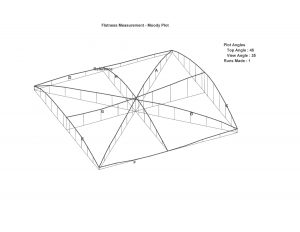
Düzlük Testi için onaylanmış 4 yöntem bulunmaktadır: Elektronik seviyeler, otomatik kollimasyon, lazer ve düzlem bulucu olarak bilinen bir cihaz. En doğru ve en hızlı yöntem oldukları için sadece elektronik seviyeleri kullanıyoruz.
Lazerler ve otomatik kollimatörler, referans olarak çok düz bir ışık demeti kullanır. Bir granit yüzey plakasının düzlüğü, yüzey plakası ile ışık demeti arasındaki mesafe değişimini karşılaştırarak ölçülür. Düz bir ışık demeti alıp, yansıtıcı bir hedefe çarptırarak ve yansıtıcı hedefi yüzey plakası üzerinde aşağı doğru hareket ettirerek, yayılan ışın ile geri dönen ışın arasındaki mesafe düzlük ölçümü olarak elde edilir.
Bu yöntemin sorunu şu: Hedef ve kaynak titreşimden, ortam sıcaklığından, düz olmayan veya çizilmiş bir hedeften, havadaki kirlilikten ve hava hareketinden (akıntılardan) etkilenir. Bunların hepsi ek hata bileşenleri oluşturur. Dahası, otomatik kollimatörle yapılan kontrollerden kaynaklanan operatör hatasının katkısı daha büyüktür.
Deneyimli bir otokollimatör kullanıcısı çok hassas ölçümler yapabilir, ancak özellikle uzun mesafelerde yansımaların genişlemesi veya hafifçe bulanıklaşması nedeniyle okumaların tutarlılığı konusunda sorunlarla karşılaşır. Ayrıca, mükemmel düz olmayan bir hedef ve uzun bir gün boyunca mercekten bakmak ek hatalara neden olur.
Düzlem bulma cihazı tamamen saçma. Bu cihaz, referans olarak nispeten düz (son derece düz bir kolimatlanmış veya lazer ışınına kıyasla) bir çizgi kullanır. Mekanik cihaz yalnızca normalde 20 µ inç çözünürlüğe sahip bir gösterge kullanmakla kalmaz, aynı zamanda çubuğun düzensizliği ve farklı malzemeler ölçüm hatalarına önemli ölçüde katkıda bulunur. Bizim görüşümüze göre, yöntem kabul edilebilir olsa da, hiçbir yetkin laboratuvar düzlem bulma cihazını son kontrol aracı olarak kullanmaz.
Elektronik nivelman aletleri referans olarak yerçekimini kullanır. Diferansiyel elektronik nivelman aletleri titreşimden etkilenmez. Çözünürlükleri 0,1 yay saniyesi kadar düşüktür ve ölçümler hızlı, doğru olup deneyimli bir operatörden kaynaklanan hata payı çok azdır. Ne düzlem bulucu ne de otomatik kollimatörler yüzeyin bilgisayar tarafından oluşturulmuş topografik (Şekil 1) veya izometrik çizimlerini (Şekil 2) sağlamaz.
Şekil 2
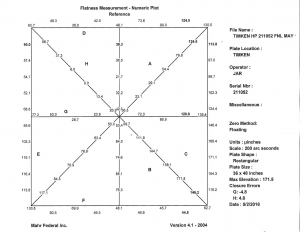
Yüzeyin Düzgünlüğünün Doğru Testi
Yüzeyin düzgünlüğünün doğru bir şekilde ölçülmesi bu makalenin o kadar önemli bir parçası ki, onu en başa koymalıydım. Daha önce de belirtildiği gibi, Fed Spec. GGG-p-463c bir kalibrasyon yöntemi DEĞİLDİR. Bu, alıcısı herhangi bir Federal Hükümet Kurumu olan metroloji sınıfı granitlerin birçok yönü için bir kılavuz görevi görür ve bu, test yöntemlerini ve toleransları veya kaliteleri içerir. Bir yüklenici Fed Specs'e uyduğunu iddia ediyorsa, düzlük değeri Moody Yöntemi ile belirlenmelidir.
Moody, 1950'lerde genel düzlüğü belirlemek ve test edilen çizgilerin yönelimini, aynı düzlemde yeterince yakın olup olmadıklarını hesaba katmak için matematiksel bir yöntem geliştiren bir kişiydi. O zamandan beri hiçbir şey değişmedi. Allied Signal, matematiksel yöntemi geliştirmeye çalıştı ancak farklılıkların o kadar küçük olduğu sonucuna vardı ki, çabaya değmezdi.
Yüzey plakası montajı yapan bir kişi elektronik seviye veya lazer kullanıyorsa, hesaplamalarda kendisine yardımcı olması için bir bilgisayar kullanır. Bilgisayar desteği olmadan, otomatik kolimasyon kullanan teknisyen okumaları elle hesaplamak zorundadır. Gerçekte bunu yapmazlar. Çok uzun sürer ve açıkçası çok zor olabilir. Moody Yöntemi kullanılarak yapılan bir düzlük testinde, teknisyen düzlük açısından sekiz çizgiyi Birleşik Krallık bayrağı şeklinde test eder.
Moody Yöntemi
Moody Metodu, sekiz çizginin aynı düzlemde olup olmadığını belirlemenin matematiksel bir yoludur. Aksi takdirde, aynı düzlemde olup olmadıkları belli olmayan 8 düz çizginiz olur. Ayrıca, Federal Şartnameye uyduğunu iddia eden ve otomatik kollimasyon kullanan bir yüklenici,mutlakSekiz sayfa veri oluşturuluyor. Her bir satır için bir sayfa olmak üzere toplam sekiz sayfa. Bu sayfalar, yüklenicinin test, onarım veya her ikisini de kanıtlamak için kontrol ettiği verileri içeriyor. Aksi takdirde, yüklenicinin gerçek düzlük değerinin ne olduğu hakkında hiçbir fikri olmaz.
Plaka kalibrasyonunu otomatik kollimasyon yöntemiyle bir yükleniciye yaptıranlardan biriyseniz, bu sayfaları hiç görmediğinizden eminim! Şekil 3, bunun bir örneğidir.sadece bir taneGenel düzlüğü hesaplamak için sekiz sayfalık bir rapor gereklidir. Bu bilgisizliğin ve kötü niyetin bir göstergesi, raporunuzda güzel yuvarlak sayılar olmasıdır. Örneğin, 200, 400, 650, vb. Doğru hesaplanmış bir değer gerçek bir sayıdır. Örneğin 325,4 µ inç. Yüklenici Moody Yöntemi hesaplamalarını kullandığında ve teknisyen değerleri manuel olarak hesapladığında, sekiz sayfalık hesaplama ve bir izometrik grafik almalısınız. İzometrik grafik, farklı çizgiler boyunca değişen yükseklikleri ve seçilen kesişme noktalarını ayıran mesafeyi gösterir.
Şekil 3(Düzlüğü manuel olarak hesaplamak için bu türden sekiz sayfa gerekiyor. Eğer yükleniciniz otomatik hizalama kullanıyorsa, neden bu sonucu alamadığınızı mutlaka sorun!)
Şekil 4
Boyutsal Ölçüm Teknisyenleri, ölçüm istasyonları arasındaki açısallıkta meydana gelen küçük değişiklikleri ölçmek için tercih edilen cihazlar olarak diferansiyel seviye ölçerler (Şekil 4) kullanırlar. Seviye ölçerler, 0,1 yay saniyesine (4 inçlik kızak kullanılarak 5 µ inç) kadar hassasiyete sahiptir, son derece kararlıdır, titreşimden, ölçülen mesafelerden, hava akımlarından, operatör yorgunluğundan, hava kirliliğinden veya diğer cihazlarda bulunan sorunlardan etkilenmezler. Bilgisayar desteği eklendiğinde, işlem nispeten hızlı hale gelir ve doğrulamayı ve en önemlisi onarımı kanıtlayan topografik ve izometrik çizimler oluşturulur.
Uygun Bir Tekrarlanabilirlik Testi
Tekrarlı okuma veya tekrarlanabilirlik en önemli testtir. Tekrarlanabilirlik testini gerçekleştirmek için kullandığımız ekipman, tekrarlı okuma düzeneği, bir LVDT ve yüksek çözünürlüklü okumalar için gerekli bir amplifikatördür. LVDT amplifikatörünü, yüksek hassasiyetli plakalar için minimum 10 µ inç veya 5 µ inç çözünürlüğe ayarlıyoruz.
35 µ inçlik tekrarlanabilirlik gereksinimini test etmeye çalışıyorsanız, yalnızca 20 µ inç çözünürlüğe sahip mekanik bir gösterge kullanmak işe yaramaz. Göstergelerin 40 µ inçlik bir belirsizliği vardır! Tekrarlı okuma düzeneği, bir yükseklik ölçer/parça konfigürasyonunu taklit eder.
Tekrarlanabilirlik, genel düzlük (ortalama düzlem) ile aynı şey değildir. Granitteki tekrarlanabilirliği, tutarlı bir yarıçap ölçümü olarak düşünmeyi tercih ediyorum.
Şekil 5
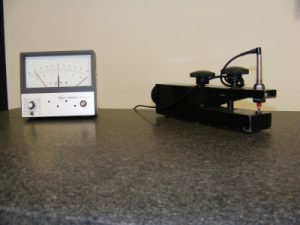
Yuvarlak bir topun tekrarlanabilirliğini test ederseniz, topun yarıçapının değişmediğini göstermiş olursunuz. (Düzgün bir şekilde onarılmış bir plakanın ideal profili, dışbükey, bombeli bir şekle sahiptir.) Ancak, topun düz olmadığı açıktır. Yani, bir bakıma düz. Çok kısa bir mesafede düzdür. Muayene çalışmalarının büyük çoğunluğu, parçaya çok yakın bir yükseklik ölçer içerdiğinden, tekrarlanabilirlik granit plakanın en kritik özelliği haline gelir. Kullanıcı uzun bir parçanın düzgünlüğünü kontrol etmediği sürece, genel düzlükten daha önemlidir.
Yüklenicinizin tekrarlı okuma testi yaptığından emin olun. Bir plaka, tolerans sınırlarının önemli ölçüde dışında bir tekrarlı okuma değerine sahip olabilir ancak yine de düzlük testini geçebilir! Şaşırtıcı bir şekilde, bir laboratuvar tekrarlı okuma testi içermeyen testlerde akreditasyon alabiliyor. Onarım yapamayan veya onarımda çok iyi olmayan bir laboratuvar, yalnızca düzlük testi yapmayı tercih eder. Plakayı hareket ettirmediğiniz sürece düzlük nadiren değişir.
Tekrarlı okuma testi, test edilmesi en kolay ancak taşlama işleminde elde edilmesi en zor olanıdır. Yüklenicinizin, yüzeyde "çukurlaşma" veya dalgalanma bırakmadan tekrarlanabilirliği geri kazandırabildiğinden emin olun.
Delta T Testi
Bu test, taşın üst yüzeyindeki ve alt yüzeyindeki GERÇEK sıcaklığın ölçülmesini ve sertifikada belirtilmek üzere aradaki farkın (Delta T) hesaplanmasını içerir.
Granitin ortalama termal genleşme katsayısının 3,5 µin/inç/derece olduğunu bilmek önemlidir. Ortam sıcaklıklarının ve nemin granit levha üzerindeki etkisi ihmal edilebilir düzeydedir. Bununla birlikte, bir yüzey levhası tolerans dışına çıkabilir veya bazen 0,3 – 0,5 derece F Delta T'de bile iyileşme gösterebilir. Delta T'nin son kalibrasyondan farkın 0,12 derece F içinde olup olmadığını bilmek gereklidir.
Plakaların çalışma yüzeyinin ısıya doğru hareket ettiğini bilmek de önemlidir. Üst yüzey sıcaklığı alt yüzeyden daha yüksekse, üst yüzey yükselir. Alt yüzey daha sıcaksa (ki bu nadirdir), üst yüzey çöker. Bir kalite yöneticisi veya teknisyenin, kalibrasyon veya onarım sırasında plakanın düz ve tekrarlanabilir olduğunu bilmesi yeterli değildir; son kalibrasyon testi sırasında Delta T değerinin ne olduğunu da bilmesi gerekir. Kritik durumlarda, kullanıcı Delta T değerini kendisi ölçerek, plakanın yalnızca Delta T varyasyonları nedeniyle tolerans dışına çıkıp çıkmadığını belirleyebilir. Neyse ki, granit bir ortama uyum sağlamak için saatler hatta günler sürebilir. Gün boyunca ortam sıcaklığındaki küçük dalgalanmalar onu etkilemez. Bu nedenlerle, ortam kalibrasyon sıcaklığını veya nemini rapor etmiyoruz çünkü etkileri ihmal edilebilir düzeydedir.
Granit Tabak Aşınması
Granit, çelik levhalardan daha sert olmasına rağmen, yüzeyinde yine de çukurlar oluşur. Yüzey levhası üzerinde parçaların ve ölçüm cihazlarının tekrarlayan hareketi, özellikle aynı alan sürekli kullanılıyorsa, aşınmanın en büyük kaynağıdır. Levhanın yüzeyinde kalan kir ve taşlama tozu, parçalar veya ölçüm cihazları ile granit yüzey arasına girerek aşınma sürecini hızlandırır. Parçaları ve ölçüm cihazlarını yüzeyinde hareket ettirirken, aşındırıcı toz genellikle ek aşınmaya neden olur. Aşınmayı azaltmak için sürekli temizlik şiddetle tavsiye edilir. Levhaların üzerine günlük olarak bırakılan UPS paket teslimatlarından kaynaklanan aşınmalar gördük! Bu lokalize aşınma alanları, kalibrasyon tekrarlanabilirlik testi okumalarını etkiler. Düzenli temizlik yaparak aşınmayı önleyin.
Granit Tabak Temizliği
Plakayı temiz tutmak için, toz ve kiri temizlemek için yapışkan bir bez kullanın. Yapıştırıcı kalıntısı bırakmamak için çok hafifçe bastırın. İyi kullanılmış bir yapışkan bez, temizlikler arasında taşlama tozunu toplamada mükemmel bir iş çıkarır. Aynı noktada çalışmayın. Aşınmayı dağıtmak için ekipmanınızı plaka üzerinde hareket ettirin. Plakayı temizlemek için alkol kullanmak sorun değil, ancak bunun yüzeyi geçici olarak aşırı soğutacağını unutmayın. Az miktarda sabunlu su mükemmeldir. Starrett'in temizleyicisi gibi ticari olarak satılan temizleyiciler de kullanmak için mükemmeldir, ancak yüzeydeki tüm sabun kalıntılarını temizlediğinizden emin olun.
Granit Tabak Tamiri
Yüzey plakası yüklenicinizin yetkin bir kalibrasyon gerçekleştirmesinin önemi artık açıkça anlaşılmış olmalıdır. "Tek bir aramayla her şeyi halledin" programları sunan "Takas Merkezi" tipi laboratuvarların nadiren onarım yapabilen bir teknisyeni vardır. Onarım hizmeti sunsalar bile, yüzey plakası önemli ölçüde tolerans dışı olduğunda ihtiyaç duyulan deneyime sahip bir teknisyenleri her zaman bulunmaz.
Eğer bir plakanın aşırı aşınma nedeniyle tamir edilemeyeceği söylenirse, bizi arayın. Büyük olasılıkla tamiri yapabiliriz.
Teknisyenlerimiz, bir Usta Yüzey Plaka Teknisyeninin gözetiminde bir ila bir buçuk yıl süren bir çıraklık eğitimi alırlar. Usta Yüzey Plaka Teknisyenini, çıraklık eğitimini tamamlamış ve yüzey plaka kalibrasyonu ve onarımı konusunda on yıldan fazla ek deneyime sahip kişi olarak tanımlıyoruz. Dimensional Gauge olarak, toplamda 60 yılı aşkın deneyime sahip üç Usta Teknisyenimiz bulunmaktadır. Zor durumlar ortaya çıktığında destek ve rehberlik için Usta Teknisyenlerimizden biri her zaman hazırdır. Tüm teknisyenlerimiz, küçükten çok büyüğe kadar her boyuttaki yüzey plakalarının kalibrasyonunda, farklı çevre koşullarında, farklı sektörlerde ve büyük aşınma sorunlarında deneyime sahiptir.
Federal şartnamelerde 16 ila 64 arasında ortalama aritmetik pürüzlülük (AA) değeri için belirli bir yüzey işleme gereksinimi bulunmaktadır. Biz 30-35 AA aralığında bir yüzey işlemeyi tercih ediyoruz. Parçaların ve ölçü aletlerinin sorunsuz hareket etmesini ve yüzey plakasına yapışmamasını veya bükülmemesini sağlayacak kadar yeterli pürüzlülük mevcuttur.
Onarım yaparken, plakanın doğru montajı ve düzgünlüğü açısından kontrol ediyoruz. Kuru taşlama yöntemi kullanıyoruz, ancak önemli miktarda granit çıkarılmasını gerektiren aşırı aşınma durumlarında ıslak taşlama yöntemini kullanıyoruz. Teknisyenlerimiz işlerini bitirdikten sonra temizliklerini yapıyorlar; titiz, hızlı ve hassaslar. Bu önemlidir çünkü granit plaka servisinin maliyeti, iş aksaması ve üretim kaybını da içerir. Yetkin bir onarım son derece önemlidir ve asla fiyat veya kolaylık nedeniyle bir yüklenici seçmemelisiniz. Bazı kalibrasyon çalışmaları, yüksek eğitimli bireyler gerektirir. Bizde bu eğitim mevcut.
Son Kalibrasyon Raporları
Her yüzey plakası onarımı ve kalibrasyonu için detaylı profesyonel raporlar sunuyoruz. Raporlarımız, hem kritik hem de ilgili önemli miktarda bilgi içermektedir. Federal Şartname (Fed Spec.), sağladığımız bilgilerin çoğunu gerektirmektedir. ISO/IEC-17025 gibi diğer kalite standartlarında yer alanlar hariç, raporlar için minimum Federal Şartname gereksinimleri şunlardır:
- Ölçüler (ft cinsinden) (X' x X')
- Renk
- Stil (Kelepçeli çıkıntı olmaması veya iki ya da dört çıkıntı olması durumunu ifade eder)
- Tahmini Elastikiyet Modülü
- Ortalama Düzlem Toleransı (Sınıf/Boyuta Göre Belirlenir)
- Tekrar okuma toleransı (İnç cinsinden diyagonal uzunluğa göre belirlenir)
- Bulunan Ortalama Düzlem
- Ortalama düzlem solda
- Bulunduğu gibi tekrar okuyun.
- Soldaki gibi tekrar okuyun.
- Delta T (Üst ve alt yüzeyler arasındaki sıcaklık farkı)
Teknisyenin yüzey plakasında taşlama veya onarım çalışması yapması gerekiyorsa, kalibrasyon sertifikasına geçerli bir onarımı kanıtlamak için topografik veya izometrik bir çizim de eklenir.
ISO/IEC-17025 Akreditasyonları ve Bu Akreditasyona Sahip Laboratuvarlar Hakkında Birkaç Söz
Bir laboratuvarın yüzey plakası kalibrasyonu konusunda akreditasyona sahip olması, mutlaka ne yaptıklarını bildikleri veya doğru yaptıkları anlamına gelmez! Ayrıca, laboratuvarın onarım yapabileceği anlamına da gelmez. Akreditasyon kuruluşları doğrulama ile kalibrasyon (onarım) arasında ayrım yapmazlar.AVe bir tane biliyorum, belki2akreditasyon kuruluşlarıLbağlamakAEğer yeterince para ödersem köpeğimin boynuna kurdele bile takarlar! Bu üzücü bir gerçek. Gerekli üç testten sadece birini yaparak akreditasyon alan laboratuvarlar gördüm. Dahası, gerçekçi olmayan belirsizliklerle akreditasyon alan ve değerleri nasıl hesapladıklarına dair hiçbir kanıt veya gösterim sunmadan akreditasyon alan laboratuvarlar da gördüm. Hepsi çok üzücü.
Özet
Granit levhaların önemini asla hafife almamalısınız. Granit levhaların sağladığı düz referans noktası, diğer tüm ölçümlerinizi yapacağınız temeldir.
En modern, en doğru ve en çok yönlü ölçüm aletlerini kullanabilirsiniz. Ancak, referans yüzey düz değilse doğru ölçümler elde etmek zordur. Bir keresinde, potansiyel bir müşteri bana "yani, bu sadece kaya!" dedi. Cevabım şu oldu: "Tamam, haklısınız ve yüzey plakalarınızın bakımını yapmak için uzmanları çağırmayı kesinlikle haklı çıkaramazsınız."
Yüzey plakası yüklenicilerini seçmek için fiyat asla iyi bir neden değildir. Alıcılar, muhasebeciler ve rahatsız edici sayıda kalite mühendisi, granit plakaların yeniden sertifikalandırılmasının bir mikrometre, kumpas veya dijital multimetrenin yeniden sertifikalandırılması gibi olmadığını her zaman anlamamaktadır.
Bazı aletler uzmanlık gerektirir, düşük fiyat değil. Bunu söyledikten sonra, fiyatlarımız oldukça makul. Özellikle de işi doğru bir şekilde yaptığımıza güvenebileceğiniz için. Katma değer konusunda ISO-17025 ve Federal Şartnamelerin gerekliliklerinin çok ötesine geçiyoruz.
Yüzey plakaları birçok boyut ölçümünün temelini oluşturur ve ölçüm doğruluğunu sağlamak için yüzey plakanıza doğru şekilde bakım yapmanız gerekir.
Granit, yüzey sertliği ve sıcaklık değişimlerine karşı düşük hassasiyeti gibi ideal fiziksel özellikleri nedeniyle yüzey kaplamaları için en popüler malzemedir. Bununla birlikte, sürekli kullanımda yüzey kaplamaları aşınmaya maruz kalır.
Plakanın hassas ölçümler elde etmek için düzgün bir yüzey sağlayıp sağlamadığını belirlemede düzlük ve tekrarlanabilirlik kritik öneme sahiptir. Her iki husus için toleranslar Federal Şartname GGG-P-463C, DIN, GB, JJS... kapsamında tanımlanmıştır. Düzlük, plakanın en yüksek noktası (çatı düzlemi) ile en düşük noktası (taban düzlemi) arasındaki mesafenin ölçümüdür. Tekrarlanabilirlik, bir alandan alınan bir ölçümün, belirtilen tolerans dahilinde plakanın tamamında tekrarlanıp tekrarlanamayacağını belirler. Bu, plakada tepe veya çukur olmamasını sağlar. Ölçümler belirtilen yönergeler dahilinde değilse, ölçümleri tekrar spesifikasyona uygun hale getirmek için yeniden yüzey işleme gerekebilir.
Yüzey plakalarının düzgünlüğünü ve zaman içinde tekrarlanabilirliğini sağlamak için rutin yüzey plakası kalibrasyonu gereklidir. Cross'taki hassas ölçüm grubu, yüzey plakası düzgünlüğü ve tekrarlanabilirliği kalibrasyonu için ISO 17025 akreditasyonuna sahiptir. Aşağıdaki özelliklere sahip Mahr Yüzey Plakası Sertifikasyon Sistemini kullanıyoruz:
- Moody ve Profil Analizi,
- İzometrik veya sayısal grafikler,
- Çoklu Çalıştırma Ortalaması ve
- Endüstri Standartlarına Göre Otomatik Sınıflandırma.
Mahr Bilgisayar Destekli Model, mutlak seviyeden herhangi bir açısal veya doğrusal sapmayı belirler ve yüzey plakalarının son derece hassas profillenmesi için idealdir.
Kalibrasyonlar arasındaki aralıklar, kullanım sıklığına, plakanın bulunduğu çevresel koşullara ve şirketinizin özel kalite gereksinimlerine bağlı olarak değişir. Yüzey plakanızın düzgün bakımı, her kalibrasyon arasındaki aralıkların uzamasına olanak tanır, yeniden bileme maliyetinden kaçınmanıza yardımcı olur ve en önemlisi, plakada elde ettiğiniz ölçümlerin mümkün olduğunca doğru olmasını sağlar. Yüzey plakaları sağlam görünse de, hassas aletlerdir ve öyle muamele görmelidirler. Yüzey plakalarınızın bakımıyla ilgili dikkate almanız gereken bazı noktalar şunlardır:
- Tabağı temiz tutun ve mümkünse kullanılmadığı zamanlarda üzerini örtün.
- Ölçme tablasının üzerine ölçü aletleri veya ölçülecek parçalar dışında hiçbir şey konulmamalıdır.
- Tabağın aynı noktasını her seferinde kullanmayın.
- Mümkünse, tabağı periyodik olarak döndürün.
- Plakanızın taşıma kapasitesine uyun.
Hassas Granit Taban, Takım Tezgahlarının Performansını Artırabilir
Genel olarak makine mühendisliğinde ve özellikle takım tezgahı yapımında gereksinimler sürekli artmaktadır. Maliyetleri artırmadan maksimum hassasiyet ve performans değerlerine ulaşmak, rekabetçi olmak için sürekli bir zorluktur. Takım tezgahı gövdesi burada belirleyici bir faktördür. Bu nedenle, giderek daha fazla takım tezgahı üreticisi granite yönelmektedir. Fiziksel parametreleri nedeniyle, çelik veya polimer beton ile elde edilemeyen belirgin avantajlar sunmaktadır.
Granit, volkanik derin bir kayaç olup, son derece düşük genleşme katsayısı, düşük ısı iletkenliği ve yüksek titreşim sönümleme özelliği ile çok yoğun ve homojen bir yapıya sahiptir.
Aşağıda, granitin esas olarak yalnızca yüksek hassasiyetli koordinat ölçüm makineleri için makine tabanı olarak uygun olduğu yönündeki yaygın görüşün neden çoktan eskimiş olduğunu ve bu doğal malzemenin, yüksek hassasiyetli makineler için bile çelik veya dökme demire göre neden çok avantajlı bir alternatif olduğunu keşfedeceksiniz.
Dinamik hareket için granit bileşenler, lineer motorlar için granit bileşenler, tahribatsız muayene (NDT) için granit bileşenler, röntgen için granit bileşenler, CMM için granit bileşenler, CNC için granit bileşenler, lazer için hassas granit bileşenler, havacılık ve uzay sanayi için granit bileşenler, hassas platformlar için granit bileşenler üretebiliriz...
Ek maliyet olmadan yüksek katma değer.
Granitin makine mühendisliğinde artan kullanımı, çeliğin fiyatındaki büyük artıştan ziyade, granit malzemeden yapılmış bir takım tezgahıyla elde edilen katma değerin çok az veya hiç ek maliyet gerektirmemesinden kaynaklanmaktadır. Bu durum, Almanya ve Avrupa'daki tanınmış takım tezgahı üreticilerinin maliyet karşılaştırmalarıyla kanıtlanmıştır.
Granitin sağladığı termodinamik kararlılık, titreşim sönümleme ve uzun vadeli hassasiyetteki önemli kazanımlar, dökme demir veya çelik yataklarla elde edilemez veya ancak nispeten yüksek maliyetle elde edilebilir. Örneğin, termal hatalar bir makinenin toplam hatasının %75'ine kadarını oluşturabilir ve bu hatalar genellikle yazılım yoluyla telafi edilmeye çalışılır - ancak başarı oranı orta düzeydedir. Düşük termal iletkenliği nedeniyle granit, uzun vadeli hassasiyet için daha iyi bir temel oluşturur.
Granit, 1 μm toleransla, DIN 876 standardına göre 00 doğruluk derecesi için gereken düzlük şartlarını kolayca karşılar. 1 ila 10 arasındaki sertlik ölçeğinde 6 değerine sahip olmasıyla son derece serttir ve 2,8 g/cm³ özgül ağırlığıyla neredeyse alüminyumun değerine ulaşır. Bu durum ayrıca, kesici takım tezgahları için daha yüksek ilerleme hızları, daha yüksek eksen ivmeleri ve takım ömrünün uzaması gibi ek avantajlar da sağlar. Dolayısıyla, dökme demir yatak yerine granit yatak kullanılması, söz konusu takım tezgahını hassasiyet ve performans açısından üst sınıf bir ürün haline getirir – üstelik ek bir maliyet olmadan.
Granitin Geliştirilmiş Ekolojik Ayak İzi
Çelik veya dökme demir gibi malzemelerin aksine, doğal taşın üretimi için çok fazla enerjiye ve katkı maddelerine ihtiyaç duyulmaz. Sadece ocakçılık ve yüzey işleme için nispeten az miktarda enerji gereklidir. Bu da, makinenin kullanım ömrünün sonunda bile çeliğe kıyasla daha üstün bir ekolojik ayak iziyle sonuçlanır. Granit yatak, yeni bir makine için temel oluşturabilir veya yol yapımında parçalama gibi tamamen farklı amaçlar için kullanılabilir.
Granit kaynaklarında da herhangi bir kıtlık söz konusu değil. Granit, yer kabuğunun içindeki magmadan oluşan derin bir kayaçtır. Milyonlarca yıldır 'olgunlaşmıştır' ve Avrupa'nın tamamı da dahil olmak üzere neredeyse tüm kıtalarda çok büyük miktarlarda doğal kaynak olarak mevcuttur.
Sonuç: Granitin çelik veya dökme demire kıyasla sayısız kanıtlanabilir avantajı, makine mühendislerinin bu doğal malzemeyi yüksek hassasiyetli, yüksek performanslı takım tezgahları için temel olarak kullanma isteğinin artmasını haklı çıkarmaktadır. Takım tezgahları ve makine mühendisliği için avantajlı olan granit özellikleri hakkında detaylı bilgiye bu makalede ulaşılabilir.
Tekrarlı ölçüm, yerel düzlük alanlarının ölçümüdür. Tekrarlı Ölçüm spesifikasyonu, bir plakanın yüzeyinin herhangi bir yerinde alınan bir ölçümün belirtilen tolerans dahilinde tekrarlanacağını belirtir. Yerel alan düzlüğünün genel düzlükten daha sıkı kontrol edilmesi, yüzey düzlük profilinde kademeli bir değişimi garanti ederek yerel hataları en aza indirir.
İthal markalar da dahil olmak üzere çoğu üretici, genel düzlük toleransları için Federal Şartnameye uymaktadır, ancak birçoğu tekrarlanan ölçümleri göz ardı etmektedir. Günümüzde piyasada bulunan düşük değerli veya bütçe dostu plakaların çoğu, tekrarlanan ölçümleri garanti etmemektedir. Tekrarlanan ölçümleri garanti etmeyen bir üretici, ASME B89.3.7-2013 veya Federal Şartname GGG-P-463c veya DIN 876, GB, JJS... gereksinimlerini karşılayan plakalar üretmemektedir.
Hassas ölçümler için düzgün bir yüzey sağlamak açısından her ikisi de kritik öneme sahiptir. Sadece düzlük özelliği, ölçüm doğruluğunu garanti etmek için yeterli değildir. Örneğin, yalnızca 0,000300" düzlük özelliğini karşılayan 36 x 48 ebatlarında, A sınıfı bir yüzey plakasını ele alalım. Kontrol edilen parça birkaç tepeyi birleştiriyorsa ve kullanılan ölçü aleti alçak bir noktadaysa, ölçüm hatası bir alanda tam tolerans olan 0,000300" olabilir! Aslında, ölçü aleti eğimli bir yüzeyde duruyorsa bu değer çok daha yüksek olabilir.
Eğim şiddetine ve kullanılan ölçüm aletinin kol uzunluğuna bağlı olarak 0,000600"-0,000800" arasında hatalar mümkündür. Eğer bu plakanın tekrarlanan ölçüm spesifikasyonu 0,000050"FIR olsaydı, ölçüm hatası plakanın neresinden alınırsa alınsın 0,000050"den az olurdu. Genellikle eğitimsiz bir teknisyenin sahada bir plakayı yeniden yüzeylendirmeye çalıştığında ortaya çıkan bir diğer sorun ise, bir plakayı sertifikalandırmak için yalnızca tekrarlanan ölçümlerin kullanılmasıdır.
Tekrarlanabilirliği doğrulamak için kullanılan aletler, genel düzlüğü kontrol etmek için tasarlanmamıştır. Mükemmel kavisli bir yüzeyde sıfıra ayarlandığında, bu yüzey mükemmel düz veya mükemmel içbükey veya dışbükey 1/2" olsa bile sıfır okumaya devam ederler! Sadece yüzeyin düzgünlüğünü doğrularlar, düzlüğünü değil. Sadece hem düzlük spesifikasyonunu hem de tekrarlanan ölçüm spesifikasyonunu karşılayan bir plaka, ASME B89.3.7-2013 veya Federal Spesifikasyon GGG-P-463c'nin gereksinimlerini gerçekten karşılar.
Ask us about or flatness specification and repeat measurement promise by calling +86 19969991659 or emailing INFO@ZHHIMG.COM
Evet, ancak bu yalnızca belirli bir dikey sıcaklık gradyanı için garanti edilebilir. Plakadaki termal genleşmenin etkileri, gradyanda bir değişiklik olması durumunda, toleranstan daha büyük bir doğruluk değişikliğine kolayca neden olabilir. Bazı durumlarda, tolerans yeterince darsa, yukarıdan gelen aydınlatmadan emilen ısı, birkaç saat içinde yeterli bir gradyan değişikliğine neden olabilir.
Granitin termal genleşme katsayısı, her 1°F için yaklaşık 0,0000035 inç/inç'tir. Örnek olarak: 36" x 48" x 8" boyutlarında bir yüzey plakası, 0°F'lik bir sıcaklık gradyanında, üst ve alt yüzeyleri aynı sıcaklıkta olduğunda, 0,000075" (AA Sınıfının 1/2'si) hassasiyetine sahiptir. Plakanın üst yüzeyi alt yüzeyinden 1°F daha sıcak olacak şekilde ısınırsa, hassasiyet 0,000275" dışbükey hale gelir! Bu nedenle, Laboratuvar Sınıfı AA'dan daha dar bir toleransa sahip bir plaka siparişi, ancak yeterli iklim kontrolü varsa düşünülmelidir.
Yüzey plakası, ideal olarak plakanın uçlarından uzunluğunun %20'si kadar içeride bulunan 3 noktadan desteklenmelidir. İki destek, uzun kenarlardan genişliğin %20'si kadar içeride bulunmalı ve kalan destek merkezde olmalıdır. Hassas bir yüzey dışında, yalnızca 3 nokta sağlam bir şekilde herhangi bir şeye dayanabilir.
Üretim sırasında levha bu noktalardan desteklenmeli ve kullanım sırasında da yalnızca bu üç noktadan desteklenmelidir. Levhayı üçten fazla noktadan desteklemeye çalışmak, levhanın üretim sırasında desteklendiği üç noktayla aynı olmayan çeşitli üç nokta kombinasyonundan destek almasına neden olur. Bu durum, levhanın yeni destek düzenine uyum sağlamak için esnemesiyle hatalara yol açacaktır. Tüm zhhimg çelik standlarında, uygun destek noktalarıyla hizalanacak şekilde tasarlanmış destek kirişleri bulunur.
Plaka düzgün bir şekilde desteklenmişse, hassas seviyeleme yalnızca uygulamanız gerektiriyorsa gereklidir. Düzgün bir şekilde desteklenmiş bir plakanın doğruluğunu korumak için seviyeleme gerekli değildir.
Graniti Seçmenin NedenleriMakine TabanlarıVeMetroloji Bileşenleri?
Hemen hemen her uygulama için cevap 'evet'tir. Granitin avantajları şunlardır: Paslanma veya korozyon olmaz, neredeyse hiç eğilmez, çizildiğinde telafi edici bir çıkıntı oluşturmaz, daha uzun kullanım ömrü, daha pürüzsüz çalışma, daha yüksek hassasiyet, neredeyse manyetik değildir, düşük termal genleşme katsayısı ve düşük bakım maliyeti.
Granit, olağanüstü mukavemeti, yoğunluğu, dayanıklılığı ve korozyona karşı direnci nedeniyle çıkarılan bir tür magmatik kayadır. Ancak granit aynı zamanda çok yönlüdür; sadece kare ve dikdörtgenler için değildir! Aslında, Starrett Tru-Stone, her türlü şekil, açı ve eğride tasarlanmış granit bileşenleriyle düzenli olarak ve mükemmel sonuçlarla güvenle çalışmaktadır.
Son teknoloji işleme yöntemlerimiz sayesinde, kesilmiş yüzeyler olağanüstü derecede düz olabilir. Bu özellikler, graniti özel boyutlu ve özel tasarımlı makine tabanları ve metroloji bileşenleri oluşturmak için ideal malzeme haline getirir. Granitin özellikleri şunlardır:
makineyle işlenebilir
Kesildiğinde ve işlendiğinde tam olarak düzdür.
paslanmaya dayanıklı
dayanıklı
uzun ömürlü
Granit malzemelerin temizlenmesi de kolaydır. Özel tasarımlar oluştururken, üstün avantajları nedeniyle graniti tercih ettiğinizden emin olun.
STANDARTLAR/ YÜKSEK AŞINMAYA DAYANIKLI UYGULAMALAR
ZhongHui'nin standart yüzey plakası ürünlerinde kullandığı granit, yüksek kuvars içeriğine sahiptir ve bu da aşınmaya ve hasara karşı daha fazla direnç sağlar. Üstün Siyah ve Kristal Pembe renklerimiz düşük su emme oranlarına sahip olup, hassas ölçüm cihazlarınızın plakalar üzerinde dururken paslanma olasılığını en aza indirir. ZhongHui tarafından sunulan granit renkleri daha az parlamaya neden olur, bu da plakaları kullanan kişiler için daha az göz yorgunluğu anlamına gelir. Bu yönü en aza indirmek amacıyla, granit türlerimizi seçerken termal genleşmeyi de dikkate aldık.
ÖZEL UYGULAMALAR
Uygulamanız özel şekillere, dişli ek parçalara, yuvalara veya diğer işlenmiş yüzeylere sahip bir plaka gerektiriyorsa, Siyah Diabaz gibi bir malzeme seçmek isteyeceksiniz. Bu doğal malzeme üstün sertlik, mükemmel titreşim sönümlemesi ve geliştirilmiş işlenebilirlik sunar.
Evet, çok fazla aşınmamışlarsa. Fabrika ayarlarımız ve ekipmanımız, gerekirse plaka kalibrasyonu ve yeniden işleme için optimum koşulları sağlar. Genellikle, bir plaka gerekli toleransın 0,001 inç (yaklaşık 0,25 mm) içinde ise, yerinde yeniden yüzeylenebilir. Bir plaka toleransın 0,001 inç (yaklaşık 0,25 mm) üzerinde aşınmışsa veya ciddi şekilde çukurlaşmış veya çizilmişse, yeniden taşlama işleminden önce taşlama için fabrikaya gönderilmesi gerekecektir.
Yerinde kalibrasyon ve yüzey yenileme teknisyeni seçerken çok dikkatli olunmalıdır. Kalibrasyon hizmeti seçerken de dikkatli olmanızı rica ederiz. Akreditasyon isteyin ve teknisyenin kullanacağı ekipmanın Ulusal Denetim Kurumu tarafından izlenebilir bir kalibrasyona sahip olduğunu doğrulayın. Hassas granit taşlama işlemini doğru bir şekilde öğrenmek yıllar alır.
ZhongHui, fabrikamızda gerçekleştirilen kalibrasyonlarda hızlı teslimat süresi sunmaktadır. Mümkünse, kalibrasyon için plakalarınızı bize gönderin. Kaliteniz ve itibarınız, yüzey plakaları da dahil olmak üzere ölçüm cihazlarınızın doğruluğuna bağlıdır!
Siyah yüzeyli plakalarımız önemli ölçüde daha yüksek yoğunluğa ve üç kata kadar daha fazla sertliğe sahiptir. Bu nedenle, siyah malzemeden yapılmış bir plakanın, aynı boyuttaki granit bir plakaya göre eşit veya daha yüksek deformasyon direncine sahip olması için daha kalın olması gerekmez. Daha düşük kalınlık, daha az ağırlık ve daha düşük nakliye maliyetleri anlamına gelir.
Aynı kalınlıkta daha düşük kaliteli siyah granit kullananlardan sakının. Yukarıda belirtildiği gibi, granit özellikleri, tıpkı ahşap veya metal gibi, malzeme ve renge göre değişir ve sertlik, dayanıklılık veya aşınma direncinin doğru bir göstergesi değildir. Aslında, birçok siyah granit ve diyabaz türü çok yumuşaktır ve yüzey kaplama uygulamaları için uygun değildir.
Hayır. Bu parçaların yeniden işlenmesi için gerekli olan özel ekipman ve eğitim, bunların kalibrasyon ve yeniden işleme için fabrikaya geri gönderilmesini gerektirir.
Evet. Seramik ve granit benzer özelliklere sahiptir ve granitin kalibrasyonu ve taşlanmasında kullanılan yöntemler seramik ürünlerde de kullanılabilir. Seramiklerin taşlanması granitten daha zordur ve bu da daha yüksek maliyete yol açar.
Evet, ek parçaların yüzeyin altına gömülü olması şartıyla. Çelik ek parçalar yüzey düzlemiyle aynı hizada veya üzerindeyse, plakanın taşlanmasından önce yüzeylerinin düzeltilmesi gerekir. Gerekirse bu hizmeti sağlayabiliriz.
Evet. İstenilen dişliğe (İngiliz veya metrik) sahip çelik insertler, istenilen konumlara epoksi ile yapıştırılabilir. ZhongHui, +/- 0,005” hassasiyetle en sıkı insert konumlarını sağlamak için CNC makineleri kullanmaktadır. Daha az kritik insertler için, dişli insertler için konum toleransımız ±0,060”'dır. Diğer seçenekler arasında doğrudan granite işlenmiş çelik T-çubuklar ve kırlangıç kuyruğu yuvaları bulunmaktadır.
Yüksek mukavemetli epoksi kullanılarak ve iyi işçilikle düzgün bir şekilde yapıştırılan ek parçalar, büyük miktarda burulma ve kesme kuvvetine dayanabilir. Son zamanlarda yapılan bir testte, 3/8"-16 dişli insertler kullanılarak, bağımsız bir test laboratuvarı, epoksi ile yapıştırılmış bir inserti yüzey plakasından çekmek için gereken kuvveti ölçtü. On plaka test edildi. Bu on plakadan dokuzunda, granit önce kırıldı. Kırılma noktasındaki ortalama yük, gri granit için 10.020 lbs ve siyah granit için 12.310 lbs idi. Bir insertin plakadan tamamen koptuğu tek durumda, kırılma noktasındaki yük 12.990 lbs idi! Eğer bir iş parçası insert üzerinde bir köprü oluşturursa ve aşırı tork uygulanırsa, graniti kırmak için yeterli kuvvet üretmek mümkündür. Kısmen bu nedenle, ZhongHui, epoksi ile yapıştırılmış insertlere uygulanabilecek maksimum güvenli tork için yönergeler vermektedir: https://www.zhhimg.com/standard-thread-inserts-product/
Evet, ama sadece fabrikamızda. Fabrikamızda, neredeyse her türlü plakayı, genellikle değiştirme maliyetinin yarısından daha azına, 'yeni gibi' duruma getirebiliyoruz. Hasarlı kenarlar kozmetik olarak onarılabilir, derin oluklar, çentikler ve çukurlar zımparalanabilir ve bağlı destekler değiştirilebilir. Ayrıca, plakanızın çok yönlülüğünü artırmak için, özelliklerinize göre katı veya dişli çelik ek parçalar ekleyerek ve yuvalar veya sıkıştırma dudakları açarak plakanızı modifiye edebiliriz.
Graniti Neden Tercih Etmelisiniz?
Granit, milyonlarca yıl önce Dünya'da oluşmuş bir tür magmatik kayadır. Magmatik kayaların bileşimi, son derece sert ve aşınmaya dayanıklı kuvars gibi birçok mineral içerir. Sertlik ve aşınma direncine ek olarak, granit dökme demirin yaklaşık yarısı kadar genleşme katsayısına sahiptir. Hacimsel ağırlığı dökme demirin yaklaşık üçte biri olduğundan, granit taşınması daha kolaydır.
Makine tabanları ve metroloji bileşenleri için en çok kullanılan renk siyah granittir. Siyah granit, diğer renklere göre daha yüksek oranda kuvars içerir ve bu nedenle en dayanıklı olanıdır.
Granit uygun fiyatlıdır ve kesilmiş yüzeyler son derece düz olabilir. Sadece elle zımparalanarak en yüksek hassasiyete ulaşılabilmesiyle kalmaz, aynı zamanda plaka veya masa yerinden oynatılmadan yeniden işleme de yapılabilir. Tamamen elle zımparalama işlemidir ve genellikle dökme demir alternatifine göre yeniden işleme maliyeti çok daha düşüktür.
Bu özellikler, graniti özel boyutlarda ve özel tasarımlarda makine tabanları ve metroloji bileşenleri oluşturmak için ideal bir malzeme haline getirir.granit yüzey plakası.
ZhongHui, özel ölçü gereksinimlerini karşılamak üzere tasarlanmış, ısmarlama granit ürünler üretmektedir. Bu ısmarlama ürünler, çeşitli ölçülerde üretilmektedir.düz kenarlar toüçgen karelerGranitin çok yönlü yapısı nedeniyle,bileşenlerİstenilen her boyutta üretilebilirler; dayanıklıdırlar ve uzun ömürlüdürler.
Granit Yüzey Plakalarının Avantajları
Düz bir yüzey üzerinde ölçüm yapmanın önemi, 1800'lerde İngiliz mucit Henry Maudsley tarafından ortaya konmuştur. Bir makine aletleri yenilikçisi olarak, parçaların tutarlı bir şekilde üretilmesi için güvenilir ölçümler için sağlam bir yüzeye ihtiyaç duyulduğunu belirlemiştir.
Sanayi devrimi, ölçüm yüzeylerine olan talebi artırdı; bu nedenle mühendislik şirketi Crown Windley, üretim standartları oluşturdu. Yüzey plakaları için standartlar ilk olarak 1904 yılında Crown tarafından metal kullanılarak belirlendi. Metal talebi ve maliyeti arttıkça, ölçüm yüzeyi için alternatif malzemeler araştırıldı.
Amerika'da anıt tasarımcısı Wallace Herman, siyah granitin metal yerine mükemmel bir yüzey levha malzemesi alternatifi olduğunu tespit etti. Granit manyetik olmadığı ve paslanmadığı için kısa sürede tercih edilen ölçüm yüzeyi haline geldi.
Granit yüzey plakası, laboratuvarlar ve test tesisleri için olmazsa olmaz bir yatırımdır. 600 x 600 mm ölçülerindeki granit yüzey plakası, bir destek ayağına monte edilebilir. Ayaklar, beş adet ayarlanabilir seviyeleme noktasıyla 0,86 m (34 inç) çalışma yüksekliği sağlar.
Güvenilir ve tutarlı ölçüm sonuçları için granit yüzey plakası çok önemlidir. Yüzey pürüzsüz ve sabit bir düzlem olduğundan, aletlerin dikkatlice manipüle edilmesine olanak tanır.
Granit yüzey plakalarının başlıca avantajları şunlardır:
• Yansıtıcı olmayan
• Kimyasallara ve korozyona dayanıklı
• Dökme demire kıyasla düşük genleşme katsayısı sayesinde sıcaklık değişimlerinden daha az etkilenir.
• Doğal olarak sert ve dayanıklı
• Çizildiğinde yüzeyin düzlemi etkilenmez.
• Paslanmaz
• Manyetik olmayan
• Temizlemesi ve bakımı kolay
• Kalibrasyon ve yüzey yenileme işlemleri yerinde yapılabilir.
• Dişli destek ek parçaları için delme işlemine uygundur.
• Yüksek titreşim sönümleme
Birçok atölye, muayene odası ve laboratuvar için, hassas granit yüzey plakaları doğru ölçüm için temel olarak kullanılır. Her doğrusal ölçüm, nihai boyutların alındığı doğru bir referans yüzeyine bağlı olduğundan, yüzey plakaları, işleme öncesinde iş denetimi ve yerleşimi için en iyi referans düzlemini sağlar. Ayrıca yükseklik ölçümleri ve yüzeylerin ölçülmesi için ideal tabanlardır. Dahası, yüksek derecede düzlük, stabilite, genel kalite ve işçilik, onları gelişmiş mekanik, elektronik ve optik ölçüm sistemlerinin montajı için iyi bir seçim haline getirir. Bu ölçüm işlemlerinin herhangi biri için, yüzey plakalarının kalibre edilmesi zorunludur.
Ölçümlerin Tekrarlanması ve Düzlük
Yüzeyin hassasiyetini sağlamak için hem düzlük hem de tekrarlanan ölçümler kritik öneme sahiptir. Düzlük, yüzeydeki tüm noktaların iki paralel düzlem, taban düzlemi ve çatı düzlemi içinde yer alması olarak düşünülebilir. Düzlemler arasındaki mesafenin ölçümü, yüzeyin genel düzlüğünü gösterir. Bu düzlük ölçümü genellikle bir tolerans içerir ve bir sınıflandırma derecesi de içerebilir.
Üç standart kalite için düzlük toleransları, federal şartnamede aşağıdaki formülle belirlendiği şekilde tanımlanmıştır:
Laboratuvar Kalitesi AA = (40 + diyagonal² / 25) x 0,000001 inç (tek taraflı)
Muayene Notu A = Laboratuvar Notu AA x 2
Takımhane Kalitesi B = Laboratuvar Kalitesi AA x 4
Düzlüğe ek olarak, tekrarlanabilirlik de sağlanmalıdır. Tekrarlı ölçüm, yerel düzlük alanlarının ölçümüdür. Bu, bir plakanın yüzeyinde belirtilen tolerans dahilinde tekrarlanacak herhangi bir yerden alınan bir ölçümdür. Yerel alan düzlüğünü genel düzlükten daha sıkı bir toleransla kontrol etmek, yüzey düzlük profilinde kademeli bir değişimi garanti eder ve böylece yerel hataları en aza indirir.
Granit yüzey plakalarının hem düzlük hem de tekrarlanan ölçüm özelliklerini karşılamasını sağlamak için, üreticiler spesifikasyonları için temel olarak Federal Spesifikasyon GGG-P-463c'yi kullanmalıdır. Bu standart, tekrarlanan ölçüm doğruluğunu, yüzey plakası granitlerinin malzeme özelliklerini, yüzey kalitesini, destek noktası konumunu, rijitliği, kabul edilebilir muayene yöntemlerini ve dişli ek parçalarının montajını ele almaktadır.
Yüzey plakası genel düzlük spesifikasyonunun ötesinde aşınmadan önce, aşınmış veya dalgalı çıkıntılar gösterecektir. Tekrarlı okuma ölçüm cihazı kullanılarak yapılan aylık tekrarlı ölçüm hataları denetimi, aşınma noktalarını belirleyecektir. Tekrarlı okuma ölçüm cihazı, yerel hatayı algılayan ve yüksek büyütmeli elektronik amplifikatörde görüntülenebilen yüksek hassasiyetli bir alettir.
Plaka Doğruluğunu Kontrol Etme
Birkaç basit kurala uyarak, granit yüzey plakasına yapılan yatırım uzun yıllar dayanmalıdır. Plakanın kullanımına, atölye ortamına ve gerekli doğruluğa bağlı olarak, yüzey plakasının doğruluğunun kontrol sıklığı değişir. Genel bir kural olarak, yeni bir plakanın satın alındıktan sonra bir yıl içinde tam bir yeniden kalibrasyondan geçmesi önerilir. Plaka sık kullanılıyorsa, bu aralığı altı aya indirmek tavsiye edilir.
Yüzey plakası genel düzlük spesifikasyonunun ötesinde aşınmadan önce, aşınmış veya dalgalı çıkıntılar gösterecektir. Tekrarlı okuma ölçüm cihazı kullanılarak yapılan aylık tekrarlı ölçüm hataları denetimi, aşınma noktalarını belirleyecektir. Tekrarlı okuma ölçüm cihazı, yerel hatayı algılayan ve yüksek büyütmeli elektronik amplifikatörde görüntülenebilen yüksek hassasiyetli bir alettir.
Etkin bir denetim programı, Ulusal Standartlar ve Teknoloji Enstitüsü'ne (NIST) izlenebilir genel düzlüğün gerçek kalibrasyonunu sağlayan bir otokollimatör ile düzenli kontrolleri içermelidir. Üretici veya bağımsız bir şirket tarafından zaman zaman kapsamlı kalibrasyon yapılması gereklidir.
Kalibrasyonlar Arasındaki Varyasyonlar
Bazı durumlarda, yüzey plakası kalibrasyonları arasında farklılıklar olabilir. Bazen aşınmadan kaynaklanan yüzey değişiklikleri, muayene ekipmanının yanlış kullanımı veya kalibre edilmemiş ekipmanın kullanımı gibi faktörler bu farklılıkları açıklayabilir. Bununla birlikte, en yaygın iki faktör sıcaklık ve destektir.
En önemli değişkenlerden biri sıcaklıktır. Örneğin, yüzey kalibrasyondan önce sıcak veya soğuk bir çözeltiyle yıkanmış ve normalleşmesi için yeterli süre tanınmamış olabilir. Sıcaklık değişiminin diğer nedenleri arasında soğuk veya sıcak hava akımları, doğrudan güneş ışığı, yukarıdan aydınlatma veya plakanın yüzeyine etki eden diğer radyant ısı kaynakları yer alır.
Kış ve yaz ayları arasında dikey sıcaklık gradyanında da farklılıklar olabilir. Bazı durumlarda, plakanın sevkiyat sonrasında normalleşmesi için yeterli süre tanınmaz. Kalibrasyon yapılırken dikey gradyan sıcaklığının kaydedilmesi iyi bir fikirdir.
Kalibrasyon varyasyonunun bir diğer yaygın nedeni, plakanın yanlış desteklenmesidir. Bir yüzey plakası, ideal olarak plakanın uçlarından içeriye doğru uzunluğunun %20'si kadar mesafede bulunan üç noktadan desteklenmelidir. İki destek, uzun kenarlardan içeriye doğru genişliğin %20'si kadar mesafede, kalan destek ise ortada bulunmalıdır.
Hassas yüzeyler dışında, yalnızca üç nokta sağlam bir şekilde herhangi bir şeye dayanabilir. Plakayı üçten fazla noktadan desteklemeye çalışmak, plakanın çeşitli üç nokta kombinasyonundan destek almasına neden olur ve bu üç nokta, üretim sırasında desteklendiği üç noktayla aynı olmayacaktır. Bu durum, plakanın yeni destek düzenine uyum sağlamak için esnemesiyle hatalara yol açacaktır. Doğru destek noktalarıyla hizalanacak şekilde tasarlanmış destek kirişlerine sahip çelik sehpalar kullanmayı düşünün. Bu amaçla kullanılan sehpalar genellikle yüzey plakası üreticisinden temin edilebilir.
Plaka düzgün bir şekilde desteklenmişse, hassas seviyeleme yalnızca uygulama gerektiriyorsa gereklidir. Düzgün bir şekilde desteklenmiş bir plakanın doğruluğunu korumak için seviyeleme gerekli değildir.
Plakayı temiz tutmak önemlidir. Havada uçuşan aşındırıcı toz, genellikle plakanın aşınmasının ve yıpranmasının en büyük kaynağıdır, çünkü iş parçalarına ve ölçüm aletlerinin temas yüzeylerine yerleşme eğilimindedir. Plakaları tozdan ve hasardan korumak için örtün. Kullanılmadığı zamanlarda plakayı örtmek, aşınma ömrünü uzatabilir.
Plaka Ömrünü Uzatın
Birkaç yönergeye uymak, granit yüzey plakasındaki aşınmayı azaltacak ve sonuç olarak ömrünü uzatacaktır.
Öncelikle, plakanın temiz tutulması önemlidir. Havada uçuşan aşındırıcı toz, genellikle plakanın aşınmasının ve yıpranmasının en büyük kaynağıdır, çünkü iş parçalarına ve ölçüm aletlerinin temas yüzeylerine yerleşme eğilimindedir.
Ayrıca, plakaları tozdan ve hasardan korumak için üzerlerini örtmek de önemlidir. Kullanılmadığı zamanlarda plakayı örtmek, kullanım ömrünü uzatabilir.
Plakanın belirli aralıklarla döndürülmesi, tek bir bölgenin aşırı kullanımdan korunmasını sağlar. Ayrıca, ölçüm cihazlarındaki çelik temas pedlerinin karbür pedlerle değiştirilmesi önerilir.
Tabağın üzerine yiyecek veya gazlı içecek koymaktan kaçının. Birçok gazlı içecek, yumuşak mineralleri çözebilen ve yüzeyde küçük çukurlar bırakabilen karbonik veya fosforik asit içerir.
Nüksetmek İçin Nereden?
Granit yüzey plakasının yeniden yüzey işlemine ihtiyacı olduğunda, bu işlemin yerinde mi yoksa kalibrasyon tesisinde mi yapılacağına karar verilmelidir. Plakanın fabrikada veya özel bir tesiste yeniden taşlanması her zaman tercih edilir. Bununla birlikte, plaka çok fazla aşınmamışsa, genellikle gerekli toleransın 0,001 inç'i içinde ise, yerinde yeniden yüzey işlemi yapılabilir. Plaka, toleransın 0,001 inç'ten fazla dışına çıkacak kadar aşınmışsa veya ciddi şekilde çukurlaşmış veya çizilmişse, yeniden taşlama işleminden önce taşlama için fabrikaya gönderilmelidir.
Kalibrasyon tesisi, plaka kalibrasyonu ve gerekirse yeniden işleme için en uygun koşulları sağlayan ekipman ve fabrika ayarlarına sahiptir.
Yerinde kalibrasyon ve yüzey yenileme teknisyeni seçerken çok dikkatli olunmalıdır. Akreditasyon isteyin ve teknisyenin kullanacağı ekipmanın NIST tarafından izlenebilir bir kalibrasyona sahip olduğunu doğrulayın. Deneyim de önemli bir faktördür, çünkü hassas granit taşlama işlemini doğru şekilde öğrenmek yıllar alır.
Kritik ölçümler, temel referans noktası olarak hassas bir granit yüzey plakasıyla başlar. Doğru şekilde kalibre edilmiş bir yüzey plakası kullanarak güvenilir bir referans sağlamak, üreticilerin güvenilir ölçümler ve daha kaliteli parçalar için gerekli araçlardan birine sahip olmalarını sağlar.
Kalibrasyon Varyasyonları Kontrol Listesi
- Kalibrasyondan önce yüzey sıcak veya soğuk bir çözeltiyle yıkandı ve normalleşmesi için yeterli süre tanınmadı.
- Plaka düzgün şekilde desteklenmiyor.
- Sıcaklık değişimi.
- Taslaklar.
- Plakanın yüzeyine doğrudan güneş ışığı veya diğer radyant ısı gelmemesine dikkat edin. Tavan aydınlatmasının yüzeyi ısıtmadığından emin olun.
- Kış ve yaz ayları arasındaki dikey sıcaklık gradyanındaki değişimler. Mümkünse, kalibrasyonun yapıldığı zamanki dikey gradyan sıcaklığını bilin.
- Plakanın sevkiyat sonrasında normalleşmesi için yeterli süre tanınmadı.
- Muayene ekipmanının yanlış kullanımı veya kalibre edilmemiş ekipmanın kullanılması.
- Aşınma sonucu oluşan yüzey değişimi.
Teknoloji İpuçları
Her doğrusal ölçüm, nihai boyutların alındığı doğru bir referans yüzeyine bağlı olduğundan, yüzey plakaları, işleme öncesinde iş parçasının incelenmesi ve yerleşimi için en iyi referans düzlemini sağlar.
Yerel alan düzlüğünü genel düzlüğe göre daha dar bir toleransla kontrol etmek, yüzey düzlük profilinde kademeli bir değişimi garanti eder ve böylece yerel hataları en aza indirir.